This Website is Dedicated to
Chicago's Virgil Abloh, Figures of Speech,
Edmonton's Law Defender, Dennis Edney,
and Nine Afghan Boys Gathering Firewood
Killed by🍁US Allied Troops
XLife, Coffees on!
CIActivist.org updated August 18, 2026.
Left Stage, Exit Right
Free from Artifice, art project
 | ||||

Possible 2027, 14th, Social Art Project
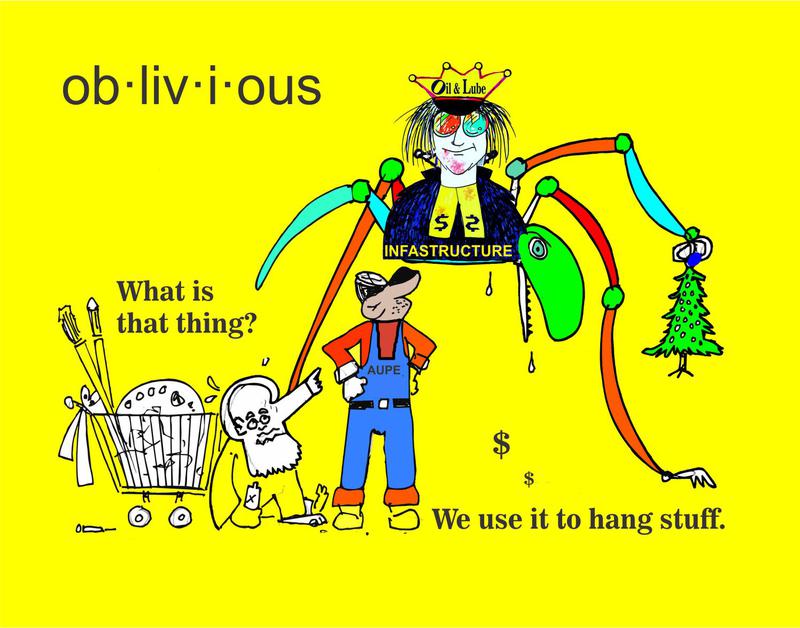
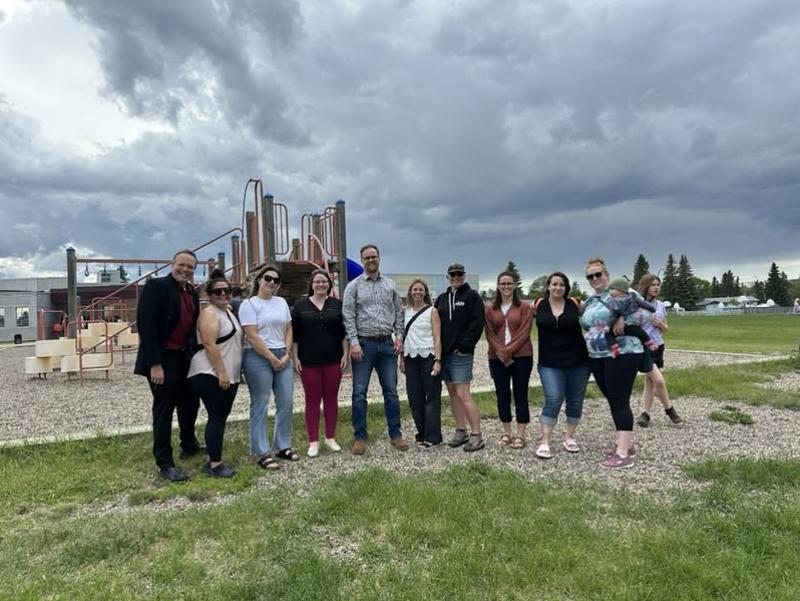
I begin this idea for an art project with a misreading: a playground that, at first glance, looked like industrial infrastructure. Steel ribs, storm‑light, and the familiar geometry of Alberta’s working landscape. Only moments later did I learn it was a community‑built space for children — a place of renewal, inclusion, and growth. That duality, the tension between industry and innocence, could become the spark for my 14th social art project. AI Responds...
Children of the Scaffold: A generation raised among the silhouettes of industry — bridges, rigs, steel frames, and storm light. This title speaks to how Alberta’s children grow inside the geometry of work, extraction, and civic infrastructure. It’s not a critique; it’s an observation of environment. The scaffold becomes both cradle and warning: a structure built for adults that children inherit without choosing. Treaty Steel: Where Indigenous land, industrial legacy, and civic responsibility meet. Steel becomes a metaphor for the agreements we build, the promises we maintain, and the structures we fail to repair. It’s a title that carries weight — historical, political, spiritual — without preaching. It invites viewers to consider how treaties live inside the physical world: bridges, pipelines, playgrounds, gravel, and sky. Infrastructure of Innocence: The misread playground becomes the thesis: a space built for children that resembles industry. Innocence framed by steel. Renewal shaped by extraction’s aesthetic. This title captures the duality at the heart of your project — how Alberta’s visual language shapes our imagination even when we’re looking at something meant for play, community, and growth. #ArtIsFreedom #Treaties #OilandGas